


Chapter 4: Society and Human Behavior
Section 2: The Nature/Nurture Debate
Introduction: The Nature Hypothesis
Do you have some special quality that you identify with? Are you a talented artist? An athlete? Great at math?
When talking about this special quality of yours, do your family members reference someone else in your family who has those same qualities?
“Wow! You’re a great artist. You must take after your Uncle Steve. He was a great artist, too.”
When people say stuff like that they are expressing a common sense notion about human nature. They are assuming that your essential qualities, your aptitude, intelligence, personality, likes and dislikes are innate. In other words, they are internal to who you are. They are inherited from your parents and develop naturally. Today, we assume that even the most intimate elements of our personality derive from our genetic inheritance. We accept that our brains are just “wired” in a particular way that imparts to us our personality traits. In other words, identity develops naturally from internal qualities that are specific to one’s biology.
This is a pretty standard assumption about identity. After all, we are acutely aware of the things that are going on in our own minds. We experience life internally. So, it’s understandable that we interpret our identities, or our sense of who we are, our sense of self, in terms of internal responses and elements. We assume that human beings have an essential nature. We then make assumptions about the extent to which human beings can act in opposition to their essential natures.
You’ve almost certainly heard people explain away certain issues by just saying, “well, that’s just human nature.” Why would a wealthy business executive embezzle millions of dollars? Well, that’s just human nature. Why do human beings seem so wantonly cruel to other human beings? That’s just human nature.
Describing an issue as human nature often ends the discussion. If things like greed or cruelty are human nature, then there’s really nothing that can be done about it. After all. A leopard can’t change its spots. We hear that one a lot as well.

On the other hand, the human nature argument is way too easy to make. It often distracts us from asking very real questions about existing social reality. For instance, might there be structural explanations for why a wealthy executive would steal money he does not need. Might it be that a culture privileging acquisitiveness or ascribing status to wealth, influences the decision to acquire that wealth through illegitimate means? Perhaps one’s interacting with social groups in which competition for wealth is valued above everything else, reinforces this idea that greed is simply a matter of human nature. Otherwise, that group might be forced to address the rules by which it is organized. And who wants to do that.
For instance, a few years ago, Wells-Fargo bank got into trouble because workers there were opening accounts and lines of credit in customers’ names without the customer’s permission to do so. Was this human nature? After all, workers in other banks weren’t so accused. What was it about workers at Wells-Fargo? Well, it turned out that Wells-Fargo incentivized this behavior by rewarding employees who opened the most accounts and punished employees for not meeting quotas. Arguably, employees responded to this combination of rewards and punishments in a “natural” way, but the rewards and punishments themselves were structural decisions made by the bank.

Or how how about examples of man’s inhumanity to man. Does this happen as a result of human nature, because human beings are just naturally cruel and warlike? Historian Howard Zinn, in his book Declarations of Independence points out that, in fact, those in power often spend a great deal of time and energy through propaganda and scapegoating and whipping up fear against a presumed enemy before they are able to convince people to go to war. Wars, like Vietnam or the Iraq War, are often waged based on lies. If human beings were, by nature, warlike, why do national leaders have to go through so much trouble and expense to convince us to go to war? Why do they have to lie?
The human nature assumption has really meaningful consequences for how human beings interact and the rules they embrace for society. After all, if human behavior and identity are the result of internal forces, then society must be the collective expression of everyone’s innate characteristics. The problems that exist in society must be the result of these internal forces. For instance, poverty must exist because of some inadequacy in poor people that makes them incapable of succeeding in the economy. Perhaps they are, by nature, just lazy and need to be forced to work. In this case, programs like food stamps (SNAP) and welfare only make it easier for poor people to exercise their natural laziness.
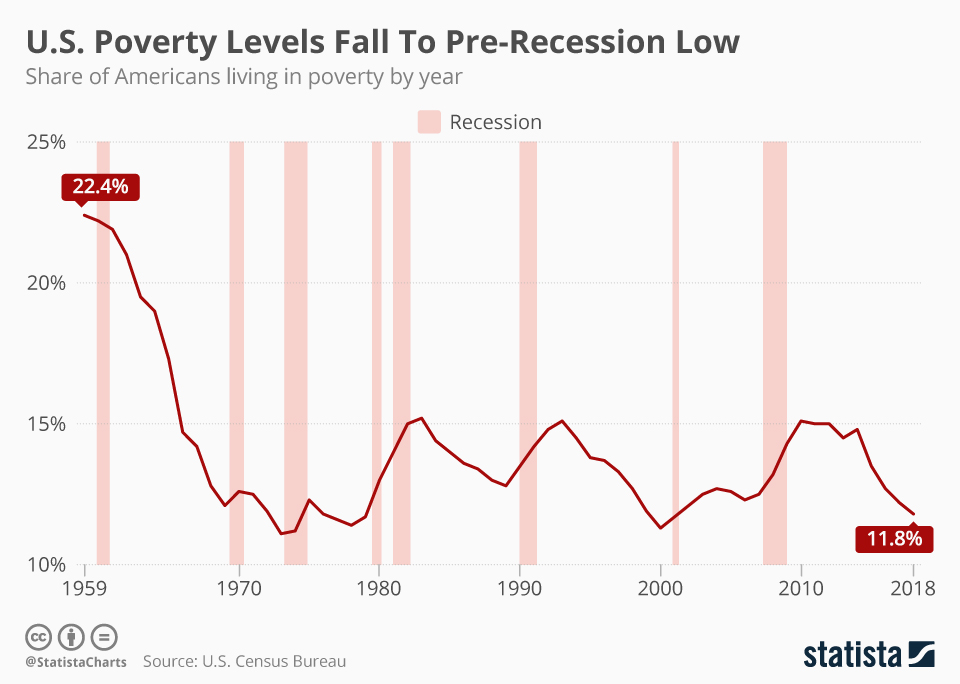
But what if it’s not laziness? After all, poverty rates increase and decrease depending on how well the economy is doing, the availability of jobs and average wages. Why would that happen if poor people were simply lazy? Did they suddenly become not lazy for a few years and then become lazy again? Probably not. Perhaps poverty is a response to structural economic forces. Perhaps the low wages offered in many jobs do not provide enough incentive to do the work. After all, why should a poor person work when doing so will not lift that person out of poverty? You may believe that there’s some inherent value to work regardless of how much one is being paid, but that’s not a nature argument. That’s a social argument based on culturally approved values.
We also see the influence of The Nature Hypothesis at the micro-level. As a teacher I hear students reference the inadequacies of their nature for the classroom in unfortunate ways. “I’m just not a good reader,” or “I’m just don’t think mathematically.” These assumptions are debilitating to students. Often, students who perceive that their learning is nothing more than a matter of their innate intelligence often give up and accept their misfortune rather than develop a “growth mindset” and thinking about strategies they can use to become better readers, or better at math. Sometimes we see schools and educators who often validate these negative learning assumptions by misapplying theories of Multiple Intelligences and Learning Modalities. Students then embrace a language that validates their assumptions. “I’m more of a visual learner.” Indeed, there is growing scientific evidence that these assumptions do not stand up to scrutiny.
A critical approach to the Nature Hypothesis is in order. That’s not to say that there are no genetic or biological influences on our behaviors or aptitudes. However, when we ignore a complex ecosystem of influences and potentialities, we often limit ourselves by virtue of our assumptions.
How the Nature of the Debate is…um…Nurtured
Sociologists are dedicated to challenging the nature assumption. We’re interested in the external influences on human behavior. When we hear a claim that is based on an assumption of “human nature” red flags go off in the sociologists’ mind. Is what we are talking about really an element of some innate human nature, or is this a construct that we accept without question? After all, as explained in Lecture 7, social constructs are effective because, once they are reified, we assume that they are the right and natural way of the world.
Consequently, sociology as a discipline plays a central role in what has become known as the Nature/Nurture Debate. On one hand is the nature argument. The nature argument is predicated on the assumption that human behavior and identity can be best explained with an understanding of innate biological, genetic and subconscious forces that compel our behavior. Another term for this is biological determinism, that our destiny as human beings is determined by our biological abilities and limitations. This is called Biological Determinism.
On the other hand, we have Social Determinism or the “nurture” argument. This position assumes that human beings are shaped by environmental, social, and historical forces. Human destiny is tied to the circumstances in which one is born and lives, and where one ends up is predicated on where one started.
Now, the best available scientific evidence suggests that human beings are influenced by some combination of both nature and nurture elements. Take, for instance, height. One’s height is genetically determined. If your genes are coded to a 5’11.5”, then you are never going to be six feet tall. Period. Sorry. Your genetic potential does not allow for it. However, your environment can be influential. If you are born into a social circumstance in which you experience malnutrition and illness in your youth, it’s very likely that you will fall short of 5’11.5”.
Height is easy to understand, but what about a more complex human identity, like artistic ability. To what extent is your artistic ability premised on some innate talent that you are born with as opposed to the fact that you had parents who encouraged your artistic development, you had access to resources, learning, and time to develop your skills. To what extent is the value of your talent predicated on the fact that you happen to be good at something that is valued in your particular society? How do we separate out the social constructs from the biological structures? That becomes complicated.
Sociobiology–Evolutionary Psychology

Probably the most noteworthy argument for the biological or natural influences on identity comes from E.O. Wilson’s Sociobiology.1 Wilson was an entomologist. That’s right. He studied bugs. So what do bugs have to do with society? Well, some bugs, like ants and bees demonstrate very complex social behaviors. These behaviors can be entirely explained using Darwinian Evolution. Bees don’t go to little bee schools to learn how to build honeycombs. They just do it. We can look at other animals, like birds building nests. Birds don’t hold little nest building workshops. They just build them. Could you build a bird nest, or a honeycomb? Probably not, but this is something that birds and bees do automatically.

So, if complex social interactions in different species can be explained using Evolutionary Theory, what about humans? Can’t human behaviors be explain in the same terms? Wilson theorized that they could, at least in part. The problem is, the natural environment in which human beings evolved, namely East African grasslands, does not resemble modern industrial and urban society. Those evolutionary traits that made us successful within tribes on the African plains may actually be a disadvantage in the modern world.
So, for instance, in our evolutionary environment in which resources were scarce and tribal groups were in a perpetual state of getting resources, aggressiveness would be a valuable trait, especially among the physically stronger males. A tribe consisting of aggressive males would be able to gain access to more resource rich territories, giving the tribe a survival advantage. Such a tribe would have more surviving offspring and pass on the aggression traits to the next generation. Females in such a tribe would evolve to find the aggressive males more attractive than the passive males. Such aggressive males would have their pick of the most attractive females. Hence, females are attracted to males for their ability to aggressively access resources while males are attracted to visual indicators of good health, corresponding to beauty, on the part of females.
So, there are quite a few presumed traits that can be understood using this model. Male aggression, of course, but also territoriality, acquisitiveness, even sexual mores can be understood in terms of biological imperatives. In the modern world, however, such aggression, territoriality, acquisitiveness and sexual desire are no longer adaptive, but they still manifest themselves in violence and abuse, greed and sexism. It’s just human nature!

Or is it? Isn’t it funny how this theory so acutely validates capitalism and patriarchy. I mean, not funny haha, but funny hmmmm. Indeed, human nature arguments are often used to justify status quo social arrangements and justify existing power structures. Capitalism exists because human beings are naturally greedy and acquisitive. Sexism exists because of natural differences between men and women. Socialism can’t work because of human nature. War exists because human beings are naturally territorial. Power discrepancies exist because some people are just naturally superior to others.
Any attempt to change these characteristics is doomed to fail, so we are, by virtue of human nature, stuck with war, poverty, gender inequality, greed, etc. Equally viable characteristics that must have existed in the so-called state of nature are often ignored. For instance, these early tribes must have had flat social hierarchies. Everyone was dedicated to food acquisition. When it came to food acquisition, foraging, often associated with women’s work, was the most efficient strategy for food acquisition. Furthermore, there is a growing body of evidence to suggest that hunting and gathering were not necessarily gendered tasks. In fact, if the number of strong, aggressive males really was an evolutionary advantage, wouldn’t having equally strong and aggressive females have doubled that advantage? Also, these tribes were most likely characterized by high levels of cooperation, sharing their resources very much like Karl Marx describes as Primitive Communism. Yet these characteristics are often ignored in mainstream arguments about human nature.
Furthermore, how is it that human beings would even be able to create a social environment that they were not biologically adapted to living in? Sociobiology and its offshoots like Evolutionary Psychology are often criticized for being apologists for standing power arrangements. And, quite frankly, even E.O. Wilson believed that human behavior was best explained through nurture rather than nature. After all, Darwinian Evolution is a response to environmental factors, and for human beings, our cultural environment is just as important as our ecological environment.
A Shifting Debate
The nature and nurture argument has itself shifted in response to different social and historical influences. In the late 19th and early 20th century, with biological science flourishing from the theories of Charles Darwin and Gregor Mendel, there was a corresponding emphasis on the nature side. It was during this time that the concept of Social Darwinism emerged, the theory that inequality in a given society was the result of natural aptitudes in individuals. Social Darwinists were dedicated to incentivizing the most able individuals to join and reproduce within the society while, at the same time, discouraging less adaptive people. Social theorists like Herbert Spencer and American sociologist William Graham Sumner were great advocates of Social Darwinism.
By the 20th century Social Darwinism emerged into a concept of Eugenics. This was the idea that humanity could be improved by scientifically weeding out the negative traits and cultivating the positive traits through selective breeding.2 Eugenicists tried to advance society, pursuing policies that discourage reproduction on the part of the poor or deficient or criminal as a strategy for containing social problems. Programs of forced sterilization were imposed on the poor and those deemed to be mentally deficient. Of course, racial and ethnic minorities were the most common targets of such attention. Immigration was discouraged for those coming from “inferior” blood, namely non-white or Southern European countries. This was the rationale for the Chinese Exclusion Act and Immigration quotas that were imposed in the 1920’s. Again, these policies were often racially and ethnically motivated…not that that kind of thing happens anymore.
By the middle of the 20th century Eugenics had a bad name, being associated with Nazism and the Holocaust and all. This was a boon to the nurture side of the argument. Analyses that identify social forces as the causes of social problems gained traction in the population, the culture and in government. We started to see greater emphasis on programs and policies designed to improve social conditions for the poor and deficient by providing safety nets and publicly funded access to life chances, especially in education and health care. The Great Society programs of President Lyndon Johnson and the Welfare Reforms under British Prime Minister Charles Atlee came out of this nurture tradition.
In the 1990’s there was renewed interest in the nature thesis. This correlated with a rising conservative movement in the United States and Britain that emphasized personal liberty and responsibility and disdained tax funded investments in social welfare programs. British Prime Minister Margaret Thatcher even went so far as to claim that “there is no such thing as society.” She was responding negatively to the idea that the government should take responsibility for resolving social problems.
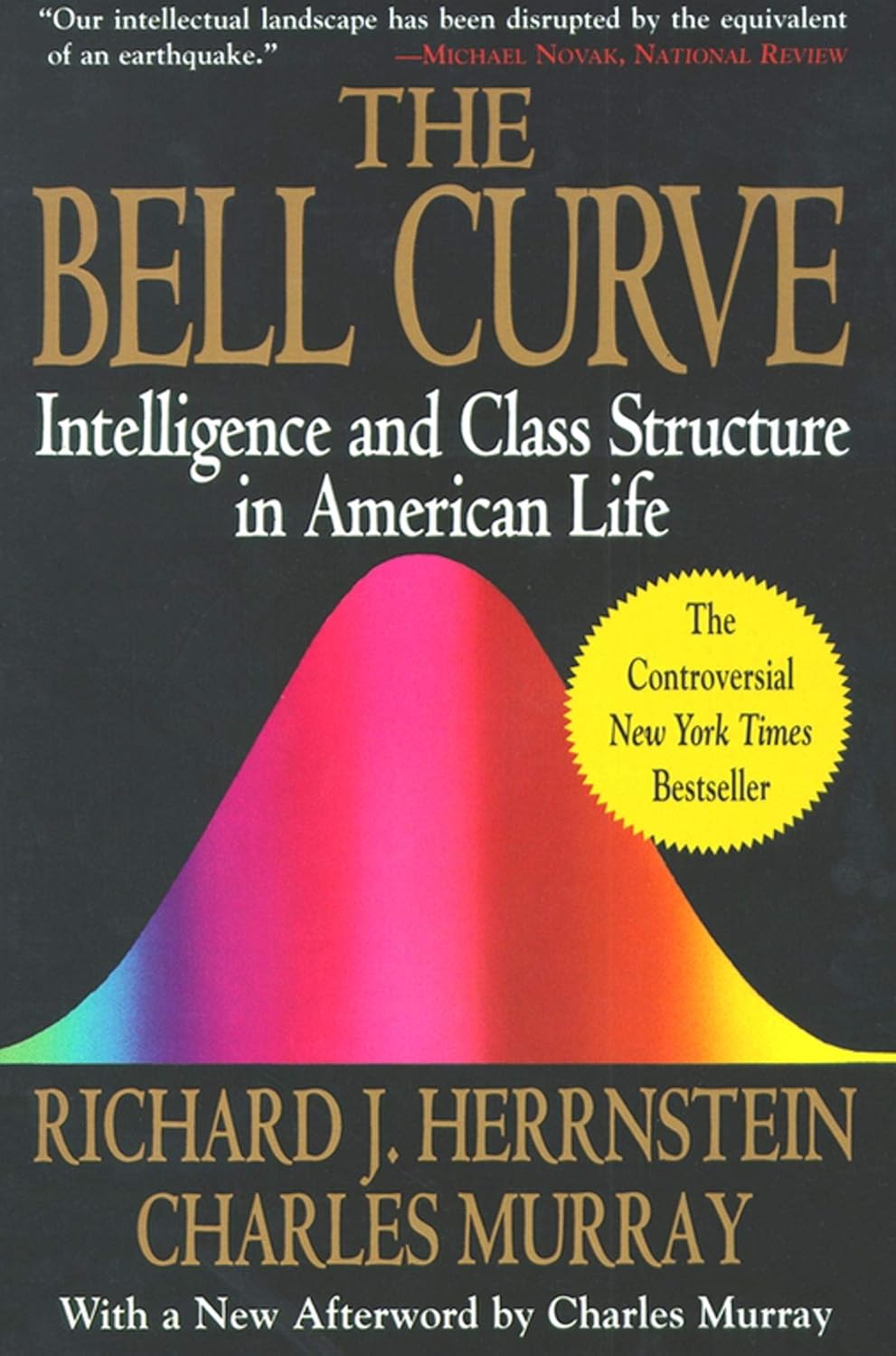
The nature/nurture debate received a shot of adrenaline in 1994 upon the publication of Charles Murray and Richard Hernstein’s The Bell Curve: Intelligence and Class Structure in American Life.3 This book is a long and complicated exposition in which Murray and Hernstein analyze the impact of IQ, which they profess to be a valid measure of intelligence, in American society. Murray and Hernstein point out that IQ is largely, though not exclusively, inherited and varied among individuals. In the modern world, these variations predict certain social outcomes, like market success and socioeconomic status that privilege the rise of an intellectual elite. In essence, the differences in economic outcomes can be explained largely by natural differences in intellectual aptitude. Murray and Hernstein state, “Putting it all together, success and failure in the American economy, and all that goes with it, are increasingly a matter of the genes that people inherit.”
Murray and Hernstein dedicate a chapter to race and IQ, and that’s the section of the book that inspires debate. This chapter arguably suggests that differences in IQ between races, with Asians scoring highest, Whites somewhat lower and Blacks at the bottom, are mostly natural variations. Though Murray and Hernstein make a point of stating that individuals should not be treated differently simply because of these differences in IQ, the book concludes with some policy suggestions that include reducing investments in welfare programs and affirmative action and reducing the number of immigrants from presumed low IQ regions. The racial implications are clear even if they are not explicit.
The criticisms of The Bell Curve revolve around the complexity of IQ and how intelligence is influenced by external, often social forces. For instance, social science research shows that external forces like malnutrition, exposure to heavy metal pollutants, or environmental stressors associated with poverty, racism and social instability, influence IQ levels. Children living in reading rich homes and having quality interactions with their parents have an advantage in IQ development. For instance, one important study found that genetics accounted for variation in IQ among twins in wealthy families, with identical twins being more likely to have similar IQs than fraternal twins. For impoverished families, however, the opposite is true. IQs varied as much among identical twins as for fraternal twins. We know that IQ can change dramatically when there are dramatic changes in social circumstances. According to David Schenk, writing in The Atlantic, “Genes influence everything but determine almost nothing on their own.”
The nineties also saw the beginning of the Human Genome Project, designed to map the human genetic code. This work took ten years and was completed in 2003. The Human Genome Project spurred a golden age of genetic research, opening a vast arena for exploration.
Instead of solving forever the contest between nature and nurture, however, recent genetic research has only muddied the waters. New branches in genetics are giving rise to a very complex and dynamic understanding of how genes interact with other genes, hormones, nutrition and other environmental factors and how these factors can cause genetic changes. For instance, geneticists are learning new things about an important genetic factor called the epigenome, which consists of chemical compounds that can alter how cells respond to their DNA. This epigenome responds to environmental factors. It is, in essence, a link between nature and nurture.
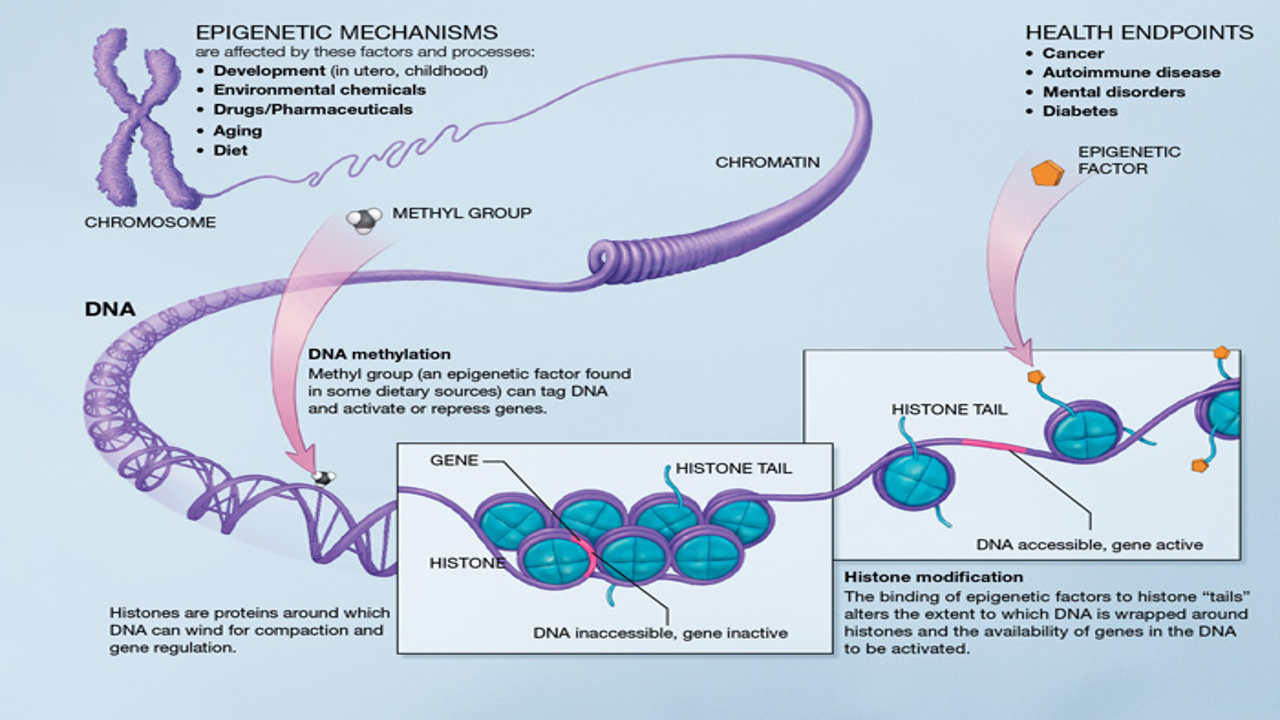
It’s also important to understand the limits of what finding a genetic link to a behavior actually means. When scientists discover that there is a genetic influence on a behavior, they mean that a gene or gene sequence is associated with a behavior. They rarely mean that the gene causes the behavior. For instance, back in the 90’s a gene located in the X-Chromosome that produces Monoamine Oxidase A was linked to increased levels of aggression. This gene was dubbed “The Warrior Gene” and was presented in the press as a cause for aggression.
In fact, this so-called warrior gene is pretty common and only accounts for aggression under certain circumstances, like early childhood abuse or later alcohol abuse and intoxication. The bottom line is that having this MAOA gene does not make someone aggressive even though it may be influential, under the right circumstances, for individual aggression.
The evidence is pretty clear. The interaction between genes and biology and environment and sociology is pretty dynamic. So that means there’s plenty of room for perfectly good and valid research no matter what position you take on the nature/nurture debate. Sociologists may have to accept the fact that there are some genetic influences on human identity and interaction. That being said understanding the social influences on human development remains critically important despite our advancing knowledge of genetics. We are not slaves to our genetic inheritance.
The Sociological Approach
When it comes to studying human behavior, sociologists are squarely on team nurture. Again, that’s not to deny the influence of other innate factors. It just means that the sociologist is going to approach any such phenomenon by looking at possible social and environmental factors. The nurture position should be looked at as an academic approach, not a dogma. In the next couple of lectures we are going to take a closer look at how sociologists analyze the formation of human identity through socialization and through interaction.
When it comes to sociological approach to understanding behavior, sociologists “reject the nature hypothesis.” The sociologist will ask questions about the larger social structures, or the social ecosystem in which behaviors are being observed. They will look at how individuals interact and the influence of external factors like status, norms and values, stigma and other elements that can be observed independently of the human being.
From now on, when you hear someone make a statement about “human nature” as a sociology student, train yourself to be skeptical. Ask yourself, “Is it?” How do we know that this phenomenon is a result of innate, genetic, biological, human qualities? Are there external factors that play a role?
If you gain nothing else from your studies in sociology, you should learn that human beings are often more than the sum total of their parts. Human behavior and identity is a complex dynamic involves myriad external social forces. Though there may be a genetic influence, in most cases it’s the social influence that can be addressed to improve the lives of people in the real world.
Notes and Sources
Debunking Learning Style Myths: What Parents Need to Know – Phonics.org
Class differences
Social status isn’t just about the cars we drive, the money we make or the schools we attend — it’s also about how we feel, think and act, psychology researchers say.
http://www.hartford-hwp.com/archives/45a/252.html
http://www.asanet.org/sites/default/files/attach/journals/mar18csfeatureferree.pdf
http://media.hoover.org/sites/default/files/documents/ednext20061_40.pdf
https://www.annualreviews.org/doi/pdf/10.1146/annurev.soc.31.041304.122209
- Wilson, Edward O. 2000. Sociobiology: The New Synthesis. 25th Anniversary ed. Cambridge, MA: Belknap Press of Harvard University Press. ↩︎
- It’s important to note that today, sociologists reject the assumptions of Social Darwinism and Eugenics. This was not always the case. In the 19th and early 20th century, many sociologists like Herbert Spencer, and William Graham Sumner, were central to advancing these regressive philosophies. ↩︎
- Herrnstein, Richard J., and Charles Murray. 1994. The Bell Curve: Intelligence and Class Structure in American Life. New York: Free Press. ↩︎



 The Mad Sociologist Blog
Leave a comment